


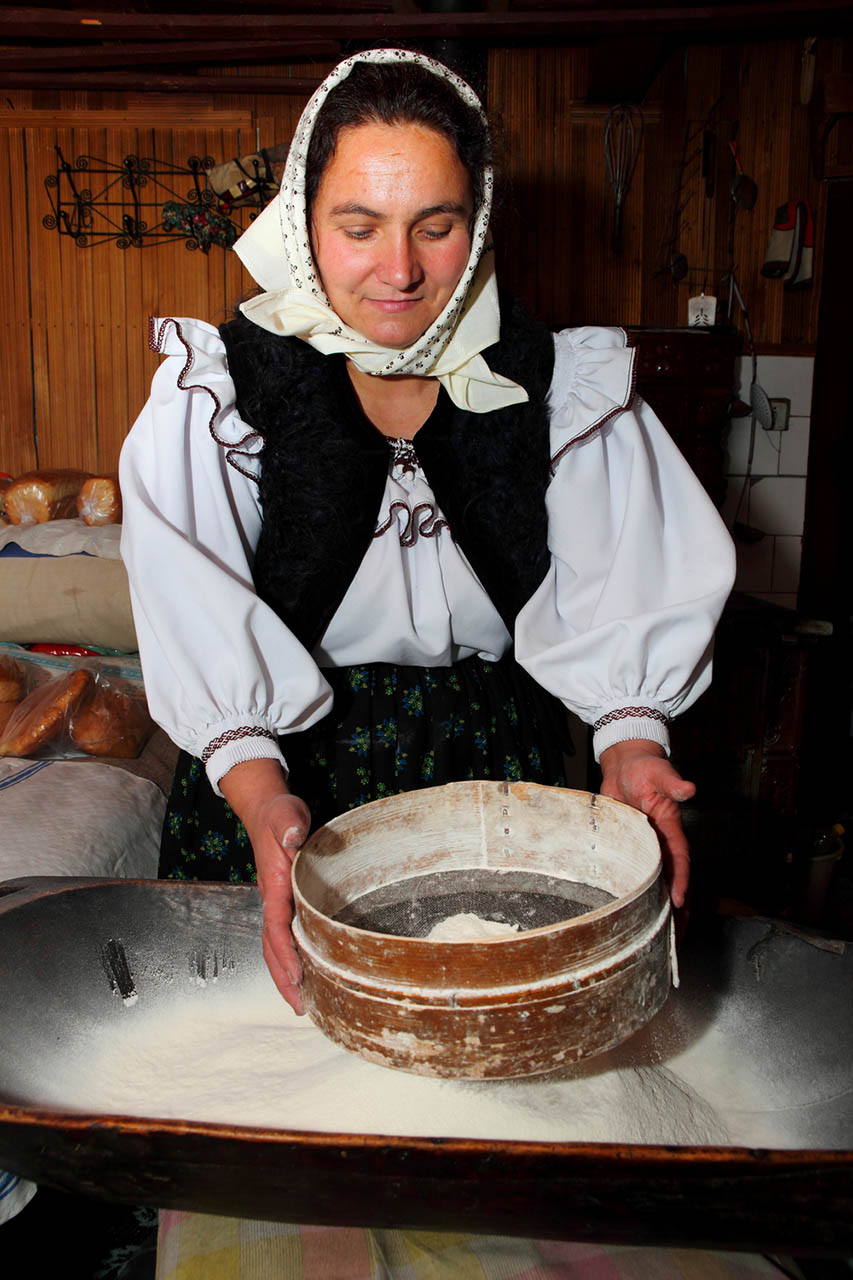
The food in Maramureș, whatever it is, must not only be tasty — it has to fill you up. This is perfectly understandable: farm work, forestry and raising animals are energy-intensive activities. That is why local cuisine is hearty and nourishing, based on meat and dairy, potatoes and beans, polenta and fruits — be it apples, pears or berries.
Dining at the guesthouse
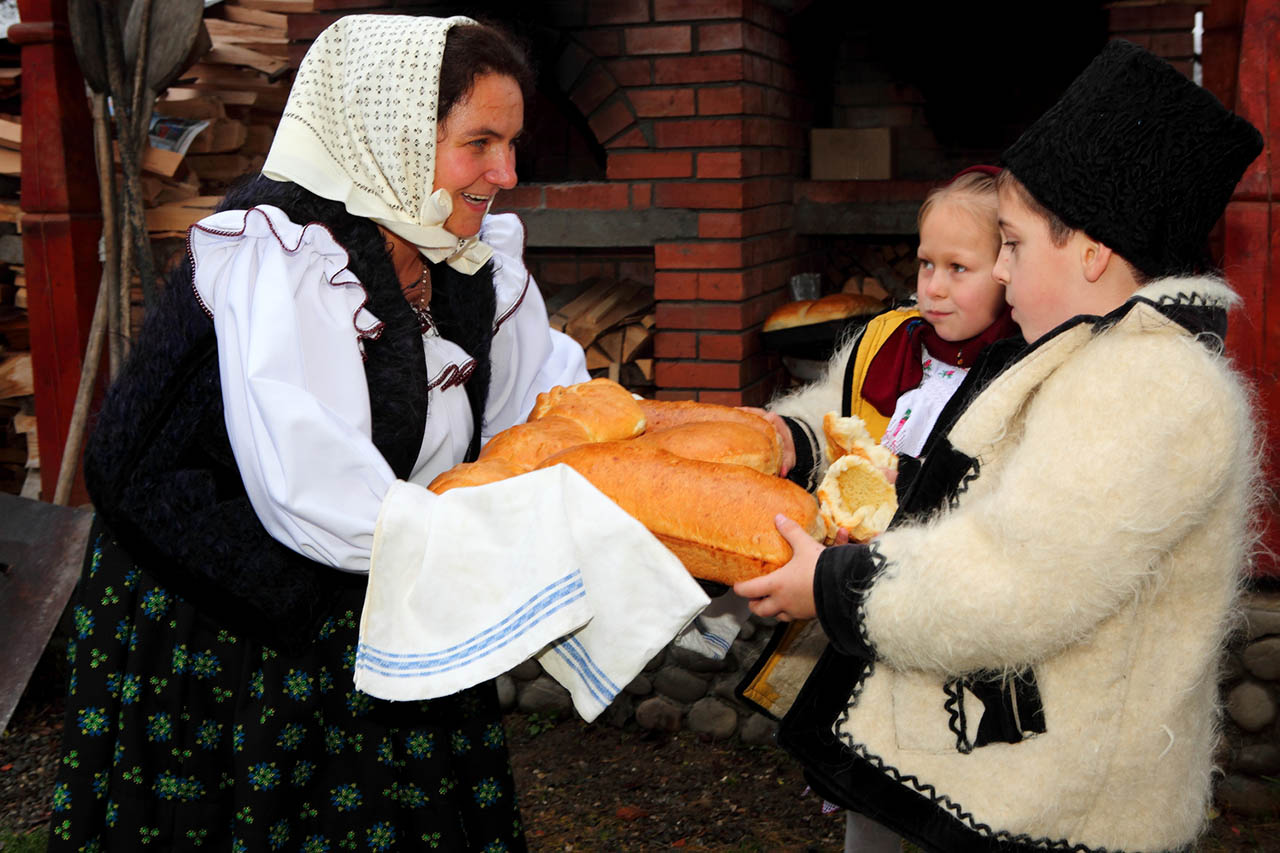
The guesthouse owner will ask you — usually before you arrive — what to cook for each meal. It is one of the privileges of staying with locals, who have no reason to stick, like restaurants, to a fixed menu — especially when their guest has a craving. In Maramureș in particular, you feel more like a relative visiting from the city than a tourist; you feel pampered, as if you have arrived at an aunt whose greatest joy is to see you rise satisfied from the table.
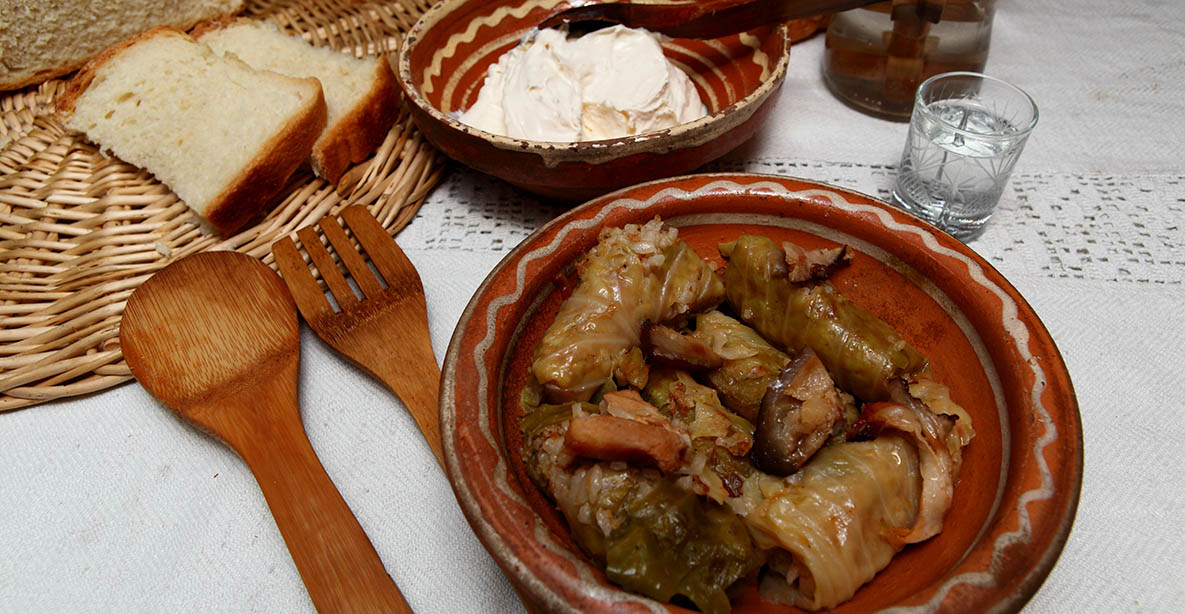
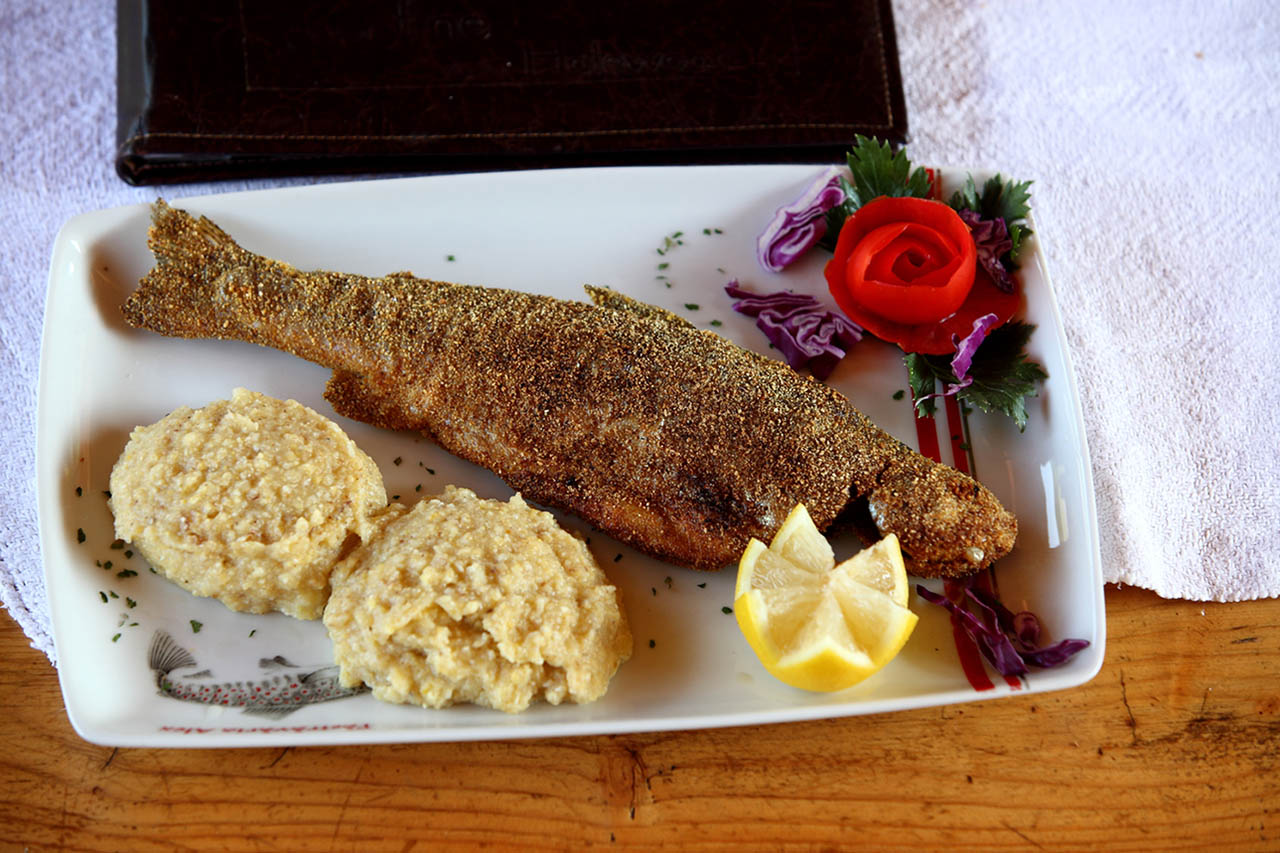
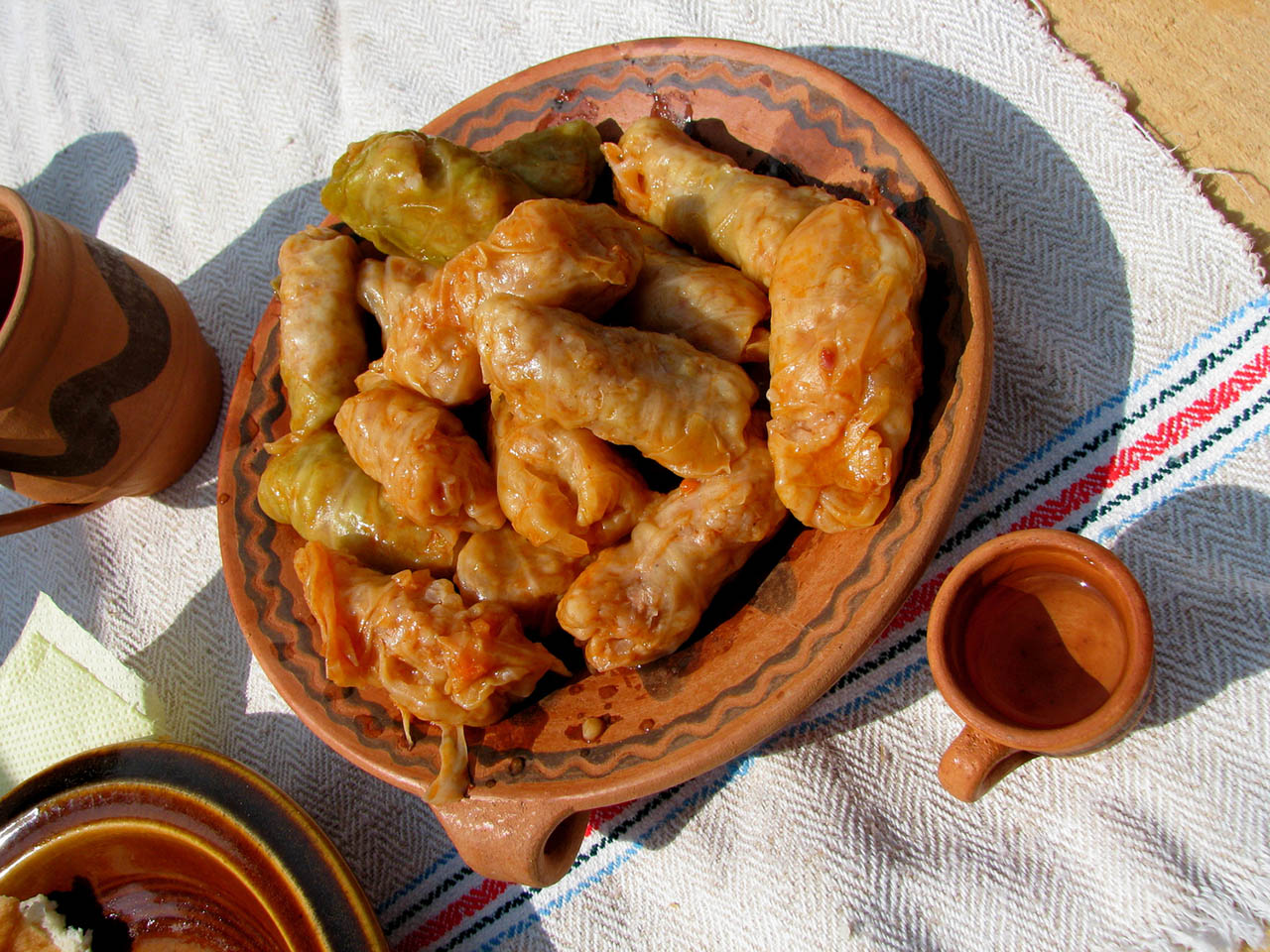
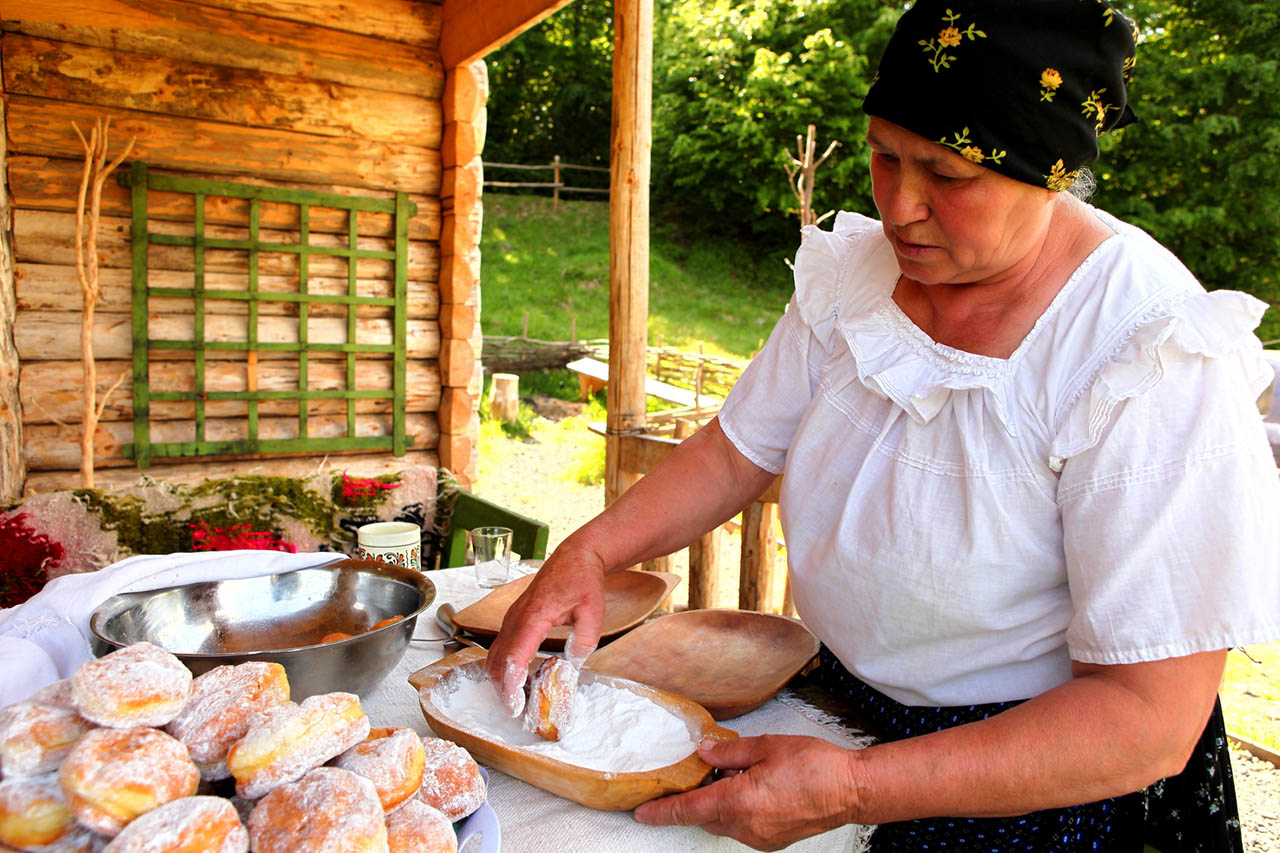
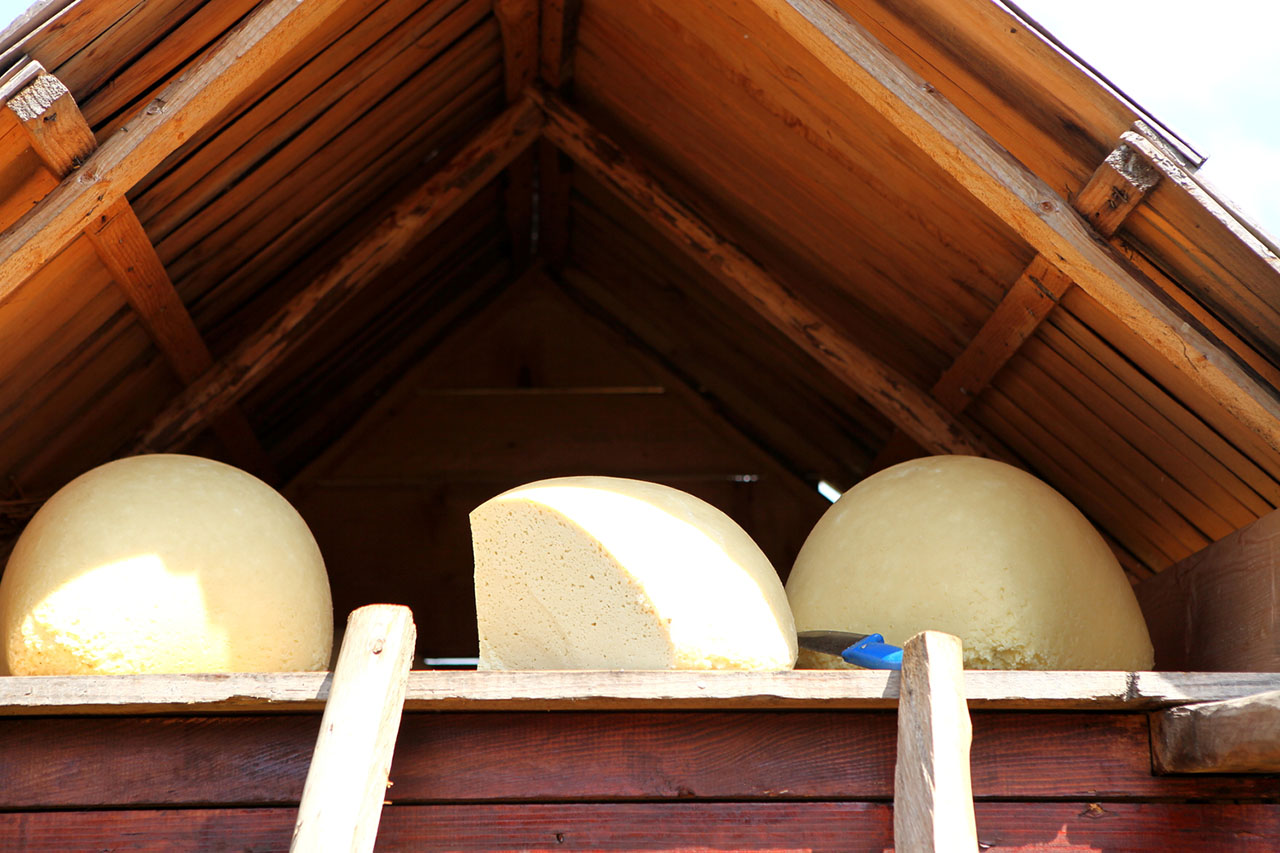
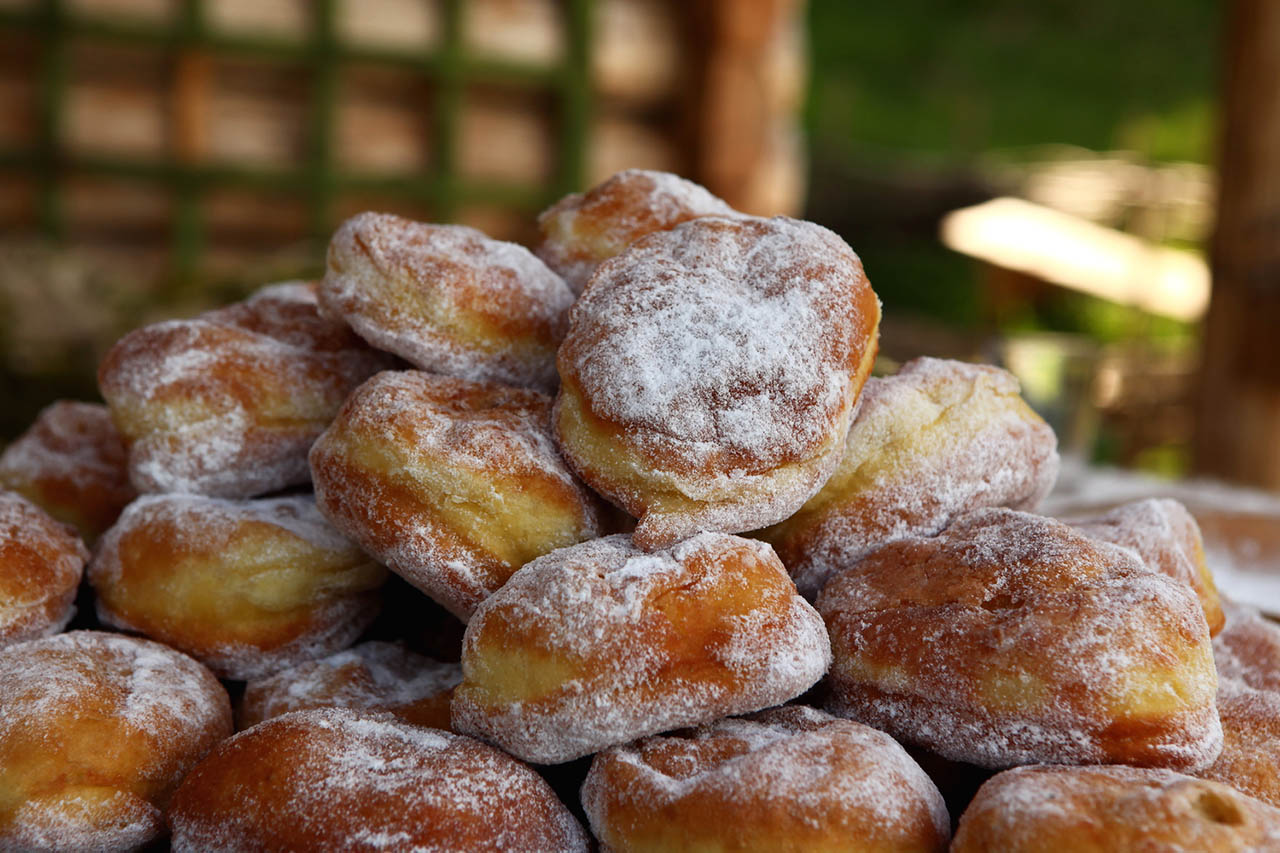
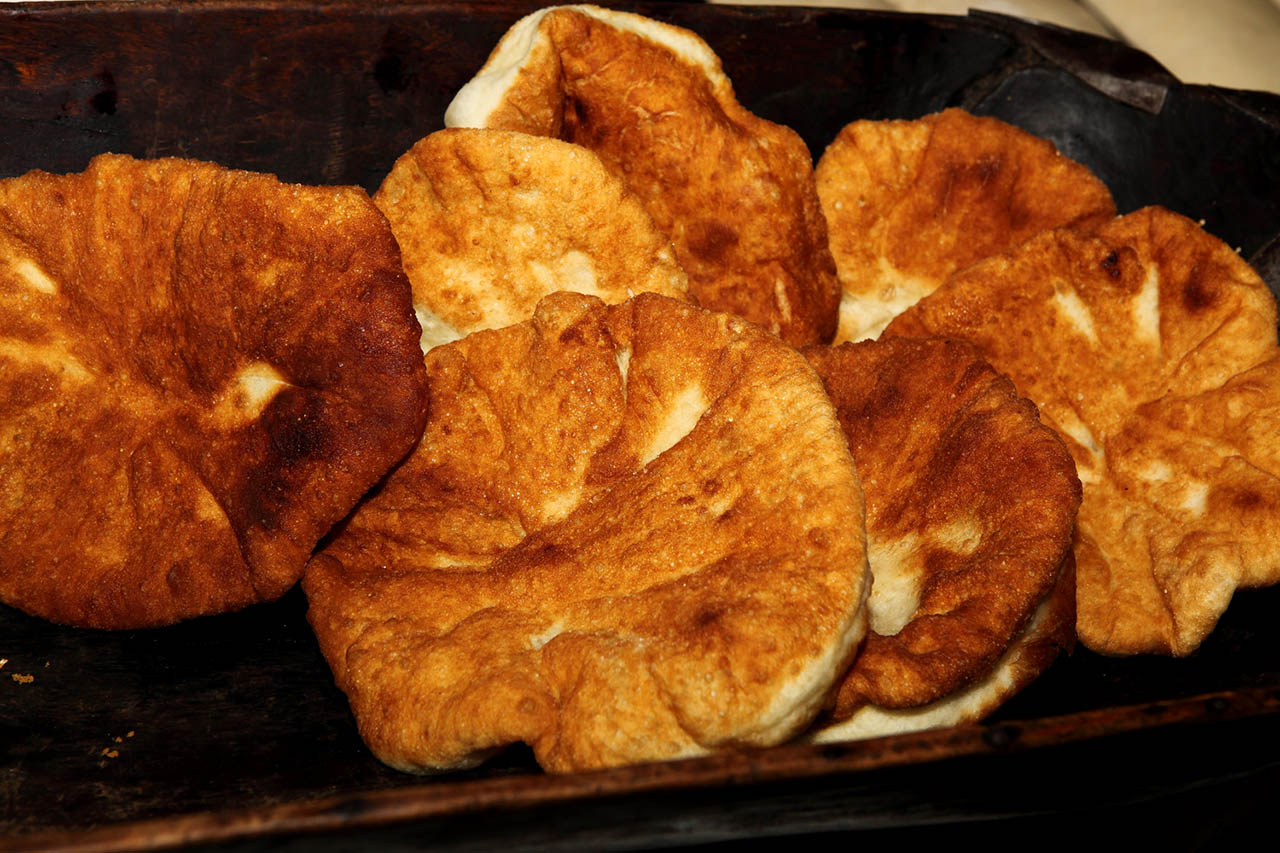
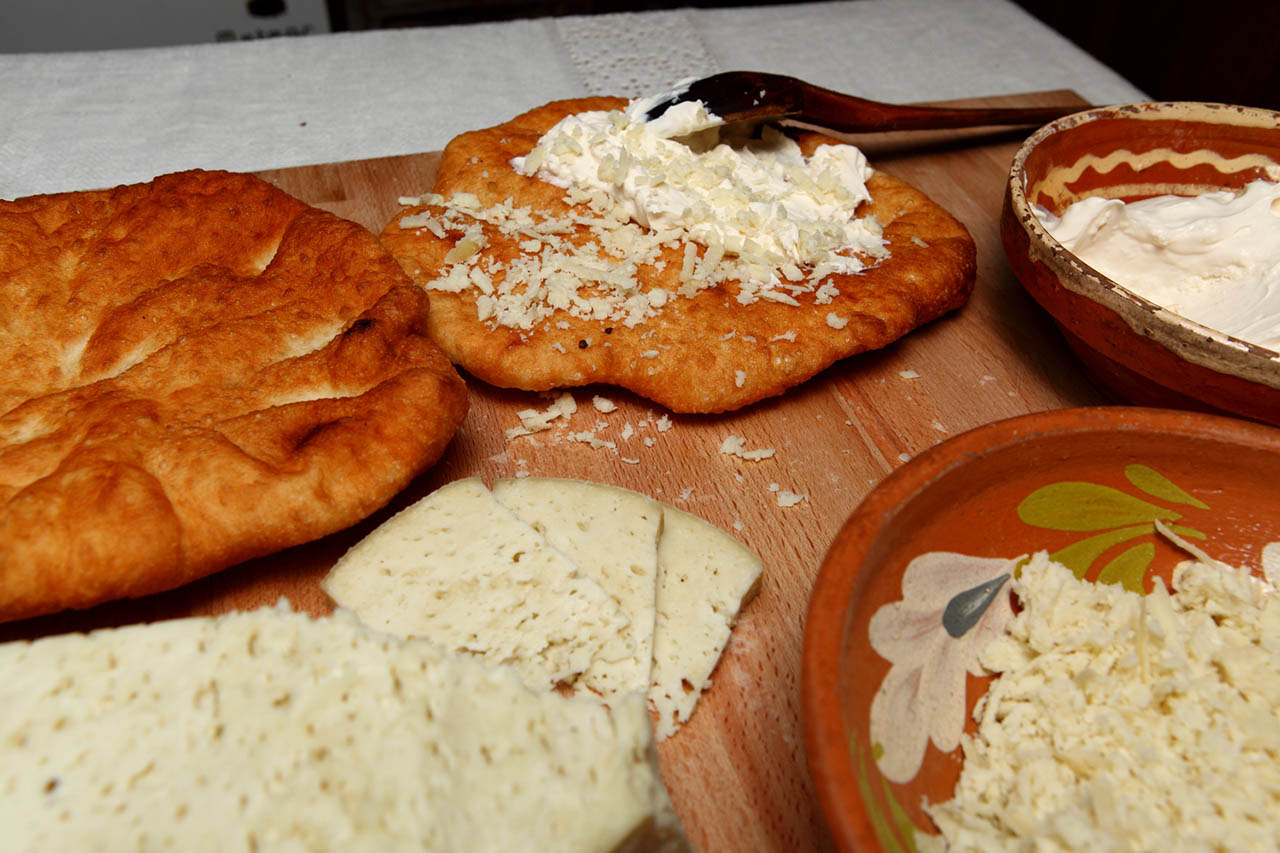
If the hosts do not ask you beforehand, you will likely receive at breakfast an omelette with eggs from the nest, milk from the stable cow (or a neighbour's), curd and fresh cheese from the sheepfold, honey and preserves from the pantry. At noon, if you are not out on the hills, expect a generous bowl of meat or bean soup and perhaps a mushroom stew or curechi umpluți (stuffed cabbage, as Maramureșians call their sarmale). For dinner, polenta with cheese and pork rinds, cheese pies, or pancove — a delicious local variety of doughnuts.
A word of caution: When you finish everything on your plate or drink your glass empty, your hosts will understand that you want more — and, without asking, will refill it before you can say "No thank you, I really can't."
Vegetarian? And horincă?
There are very few traditional dishes without meat, dairy or eggs. "Being vegetarian" is a notion largely unfamiliar to people here, though they faithfully observe the strict fasting periods before major Christian feasts. Be indulgent if you see them smile in polite confusion when you ask for a vegetarian menu — they are simply not sure they can put a real meal on the table without what for them means "good food": meat, cheese, milk and eggs. But they will go out of their way to prepare the best they can.
And one more thing: No meal is complete without horincă (traditional plum brandy) and/or afânată — the lighter blueberry version, traditionally for the ladies. Try not to refuse. For a Maramureșian, being turned down on a drink is a genuine disappointment — and for some, an outright offence.